
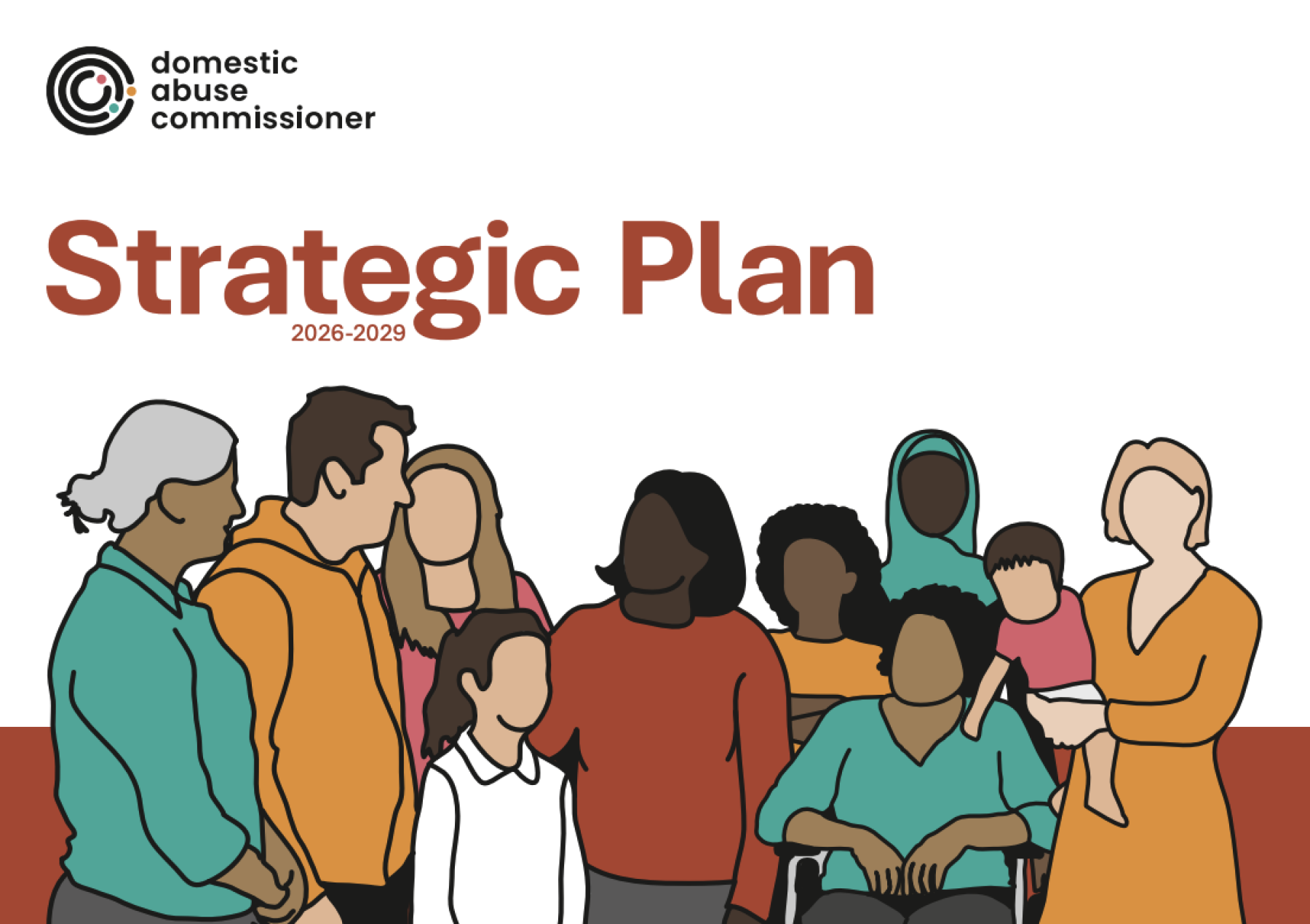
Rock Pool is encouraged by the publication of Domestic Abuse Commissioner Nicole Jacobs' new Three-Year Strategy and its clear commitment to improving the response to domestic abuse across England and Wales.
The strategy identifies three challenges that continue to hold services back: too many people still don't receive the right response when they first ask for help, specialist services remain chronically underfunded, and there is too little accountability when systems fail victims and survivors. Its call for responses that are timely, safe, consistent and trauma-informed is both welcome and overdue.
For more than 21 years, Rock Pool has worked alongside frontline professionals and organisations to build trauma-informed practice and deepen understanding of domestic abuse, coercive control and the lasting impact of adversity. We strongly support the strategy's focus on specialist services, healthcare, policing and probation.
We agree that training has to go beyond awareness. Frontline professionals need practical skills, confidence and the right tools to recognise trauma, respond safely and avoid causing further harm. The quality of that first response really does shape whether someone feels heard, believed and able to access the support they need. Strategies matter, but people experience services through the professionals they meet every day.
We strongly support the report's recognition of domestic abuse as a public health issue and its recommendation that healthcare professionals receive the training they need. We also welcome the emphasis on consistent policing, stronger partnership working and ensuring victims' and survivors' voices help shape services. No one should receive a different standard of support because of where they live or which professional they happen to encounter.
Publishing the strategy is an important step, but the challenge now is turning its ambitions into consistent practice through sustained investment, effective commissioning, workforce development and clear accountability. If the Government is serious about halving domestic abuse, accountability cannot rest solely with overworked, under-resourced and inadequately trained frontline staff. It must also sit with policymakers, commissioners and leaders responsible for creating the conditions that enable good practice to flourish.
Rock Pool remains committed to working alongside commissioners, public services and specialist organisations to help build systems where people affected by domestic abuse are believed, understood, supported and able to recover and thrive.